
Older people living alone among most exposed during ambulance strike, warns ALONE
If you have a concern, reach out and don’t delay seeking help
ALONE, the national organisation that supports older people to age happily at home or in the community they choose, has warned that older people living alone are particularly vulnerable during periods of disruption to emergency services.
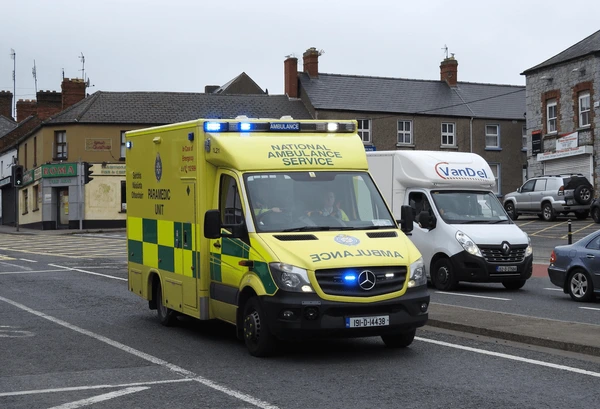
The organisation acknowledged the critical role played by the National Ambulance Service, noting the highly skilled, compassionate care ambulance crews provide every day. This includes supporting people in crisis, making complex clinical decisions, and often preventing unnecessary hospital admissions by safely treating people in their own homes.
ALONE said that uncertainty and delays can have a serious impact on older people who are unwell and on their own, particularly those with higher health and social care needs. The organisation said it is in everyone’s interest that all sides engage constructively and work together to find a solution as quickly as possible.
“We have deep respect for the work ambulance crews do and the excellent service they provide in very challenging conditions,” said Sean Moynihan, CEO of ALONE. “Older people living alone can be particularly vulnerable during periods of disruption, and it’s vital that both sides work together to reach a resolution quickly.”
Almost 190,000 people aged 65 and over live alone in Ireland, including a significant proportion of people aged over 85. Many have limited transport options, no one at home to consult, and higher levels of loneliness and anxiety, all of which increase vulnerability during periods of system pressure.
“For older people living alone, delays don’t just mean slower care — they cause real fear and uncertainty,” Mr Moynihan said. “When you are unwell and on your own, you can be left wondering who to call or what to do next.”
Mr Moynihan said that the majority of older people supported by ALONE live alone, and many are living with higher levels of health and social care need.
“Our experience shows that older people with higher needs who live alone are far more likely to rely on emergency services,” he said. “Among those we support, use of emergency health services is significantly higher than among older people generally. That makes delays and uncertainty especially concerning.”
ALONE has expressed concern that advice to “consider alternatives” to emergency services does not reflect the lived reality for many older people living alone.
“Telling people to consider alternatives assumes they can get there easily, make quick decisions and cope on their own,” Mr Moynihan said. “For many older people, that’s just not the reality. They may not drive, may not have transport, or may be too unwell to manage without help.”
The organisation warned that uncertainty can lead some people to delay seeking help, allowing health problems to escalate.
“If people are unsure whether help will arrive, they may wait longer than they should,” Mr Moynihan said. “That delay can turn a manageable issue into a serious emergency.”
ALONE is urging older people not to cope alone and is encouraging anyone who feels uncertain, unwell or worried to reach out for support — whether to emergency services, primary care, family, friends or ALONE itself.
“If you have a concern, reach out,” Mr Moynihan said. “Don’t delay seeking help if you need it.”
The organisation is also encouraging the wider public to check in on older people who may be living alone, particularly during periods of industrial action or health service disruption.
“A simple phone call or knock on a door can make a real difference,” Mr Moynihan said.