Older People’s Mental Health Remains Under‑Recognised and Under‑Resourced in Ireland, Says ALONE
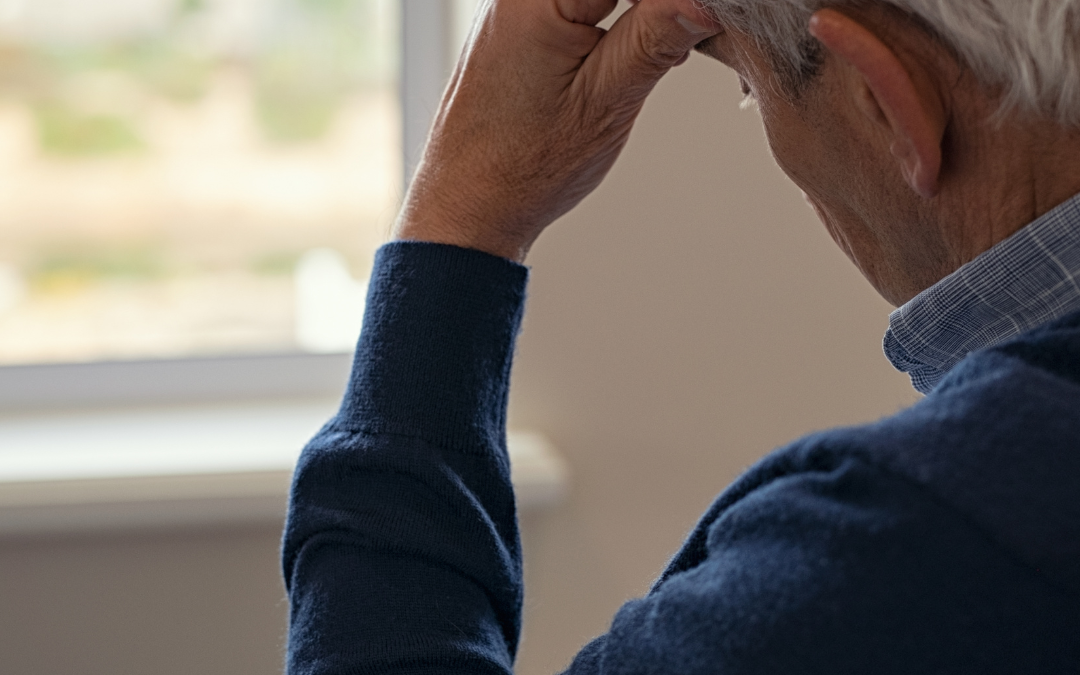
One in five older people supported report mental health difficulties, with loneliness compounding risk
ALONE, the national organisation supporting older people to age well at home or in the community they choose, is marking Mental Health Awareness Week by highlighting significant gaps in mental health services for older people and calling for the urgent delivery of existing policy commitments.
ALONE says evidence from frontline services shows that mental health difficulties in later life remain overlooked, frequently undiagnosed and insufficiently supported, despite growing and well‑documented need.
Drawing on its work with over 46,500 older people supported in 2025, ALONE reports that over one‑fifth experienced mental health difficulties, most commonly depression, anxiety, bereavement and addiction, with many not accessing formal supports.
National evidence from Ireland’s national longitudinal study on ageing reflects a similar picture. While nearly one in twenty adults aged 50 and over report a diagnosis of depression, many older people who meet clinical criteria remain undiagnosed or untreated. There are also indications of rising suicidal ideation among older adults, with loneliness recognised as a contributing risk factor.
Despite this level of need, mental health services for older people remain significantly under‑developed, with persistent gaps in specialist teams and capacity limiting access to timely care.
“Mental health difficulties do not stop at retirement age, yet older people continue to be overlooked in planning, funding and service design,” said Seán Moynihan, CEO of ALONE. “Many are living with unmet mental health needs alongside physical illness, housing insecurity or bereavement, without access to timely support.”
ALONE says mental health difficulties in later life are rarely experienced in isolation. Loneliness, reduced social connection and loss of independence frequently overlap, intensifying anxiety, depression and emotional distress if left unaddressed.
During Mental Health Awareness Week, ALONE is calling for urgent action to address these structural gaps, including:
- sustained investment in acute mental healthcare capacity for older people;
- full implementation of the Model of Care for Specialist Mental Health Services for Older People;
- targeted action for older people under Sharing the Vision; and
- the development and implementation of a National Loneliness Strategy, recognising the strong link between loneliness and mental health difficulties in later life.
“As Ireland’s population ages, mental health policy must reflect the realities facing older people,” Mr Moynihan said. “Improving mental health outcomes in later life will depend on investment, implementation and prevention, not good intentions alone.”
Mental Health Awareness Week runs 11th-17th May. Anyone who needs support, or who is concerned about an older person, can contact ALONE on 0818 222 024 or visit www.alone.ie.